
Last week I was lucky enough to attend the end of year conference from the North-West Medical Leadership School (NWMLS), held jointly with the Mersey Medical Leadership School. Titled ‘Learning from our mistakes and how we continue to learn; two years on from the Francis Report’, it did pretty much exactly what it said on the tin. The organisers had done a great job of bringing together some really engaging speakers covering topics that they were clearly passionate about, resulting in a really interesting and inspiring day. As a topic area, leadership and management are not always the most attractive prospects for doctors and can often be met by a degree of apathy or even scorn. I don’t think many of us went in to medicine with a specific desire to lead people or get in to ‘management’, but if I had any doubts about this before last Friday, they were well and truly quashed before the first coffee break. I hope that a quick run through the highlights of the day will demonstrate exactly why.
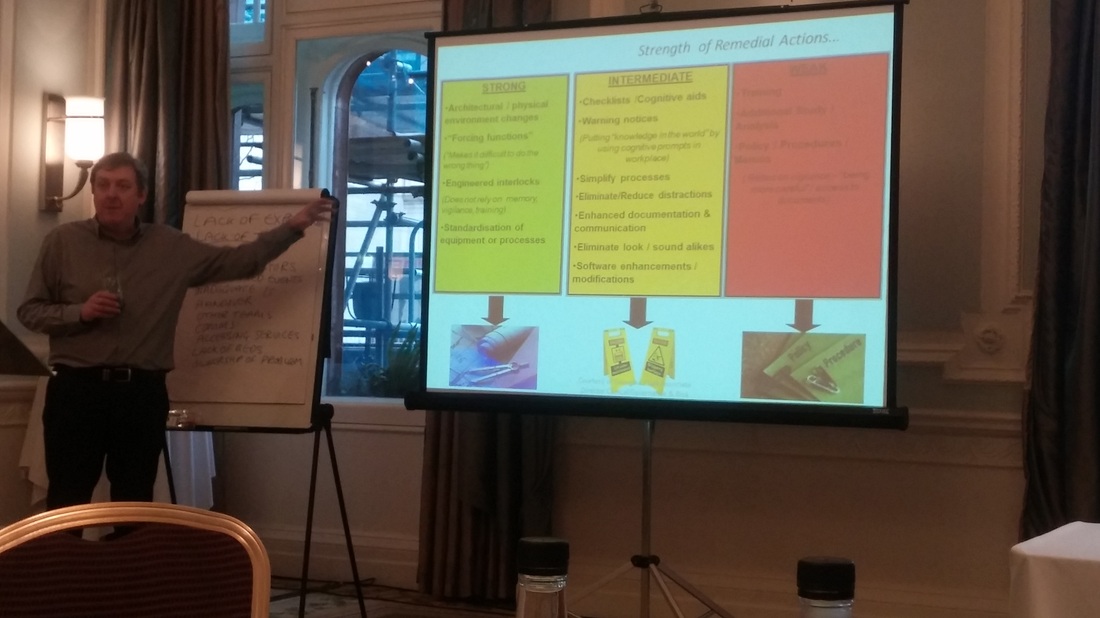
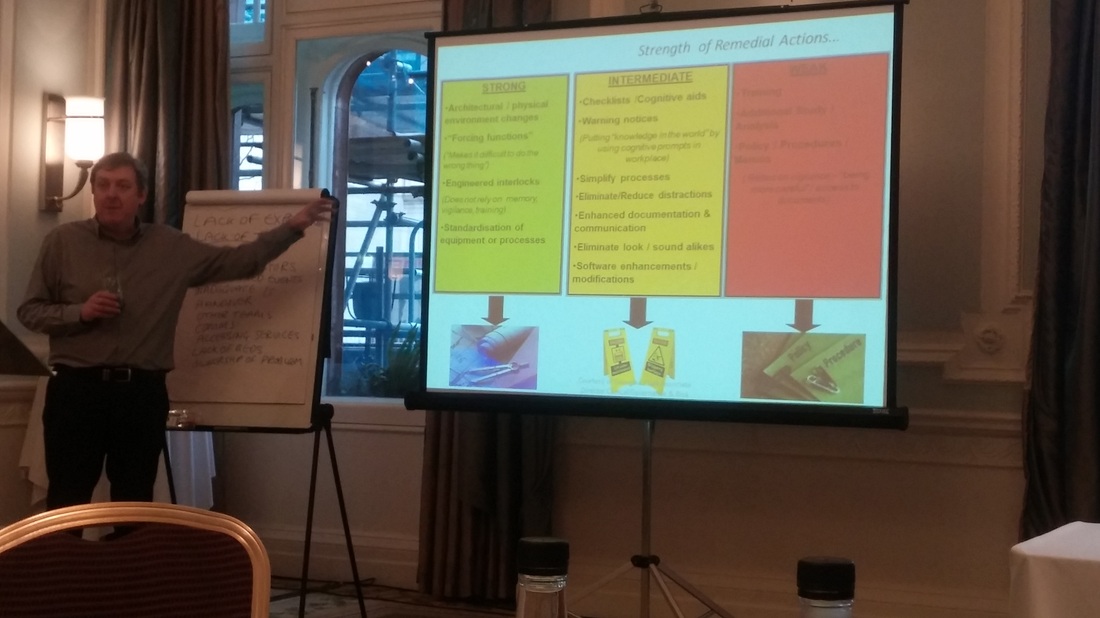
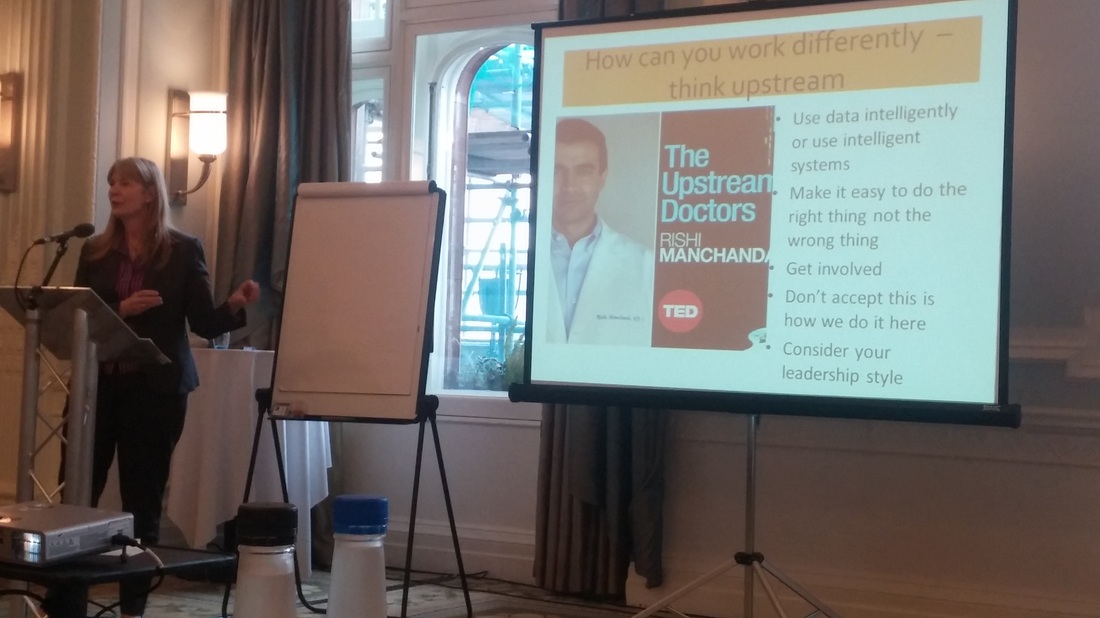
The first half of the day was split into sessions titled ‘Recognising why we make mistakes and speaking up’ and ‘Reflecting on our practice and how we learn from our own mistakes’. Unsurprisingly then, they opened the day with a stark reminder of how mistakes can affect our patients so dramatically, playing a video highlighting the catalogue of errors resulting in the death of a newborn baby. The scene was therefore set for Jeff Goulding to give a great overview of the importance of human factors in these disastrous events. Having both a strong personal interest in human factors, and with their importance being more and more strongly recognised in anaesthesia, much of the content wasn’t completely new, but he highlighted some really important points about their application in healthcare. We work in such a high risk industry and as humans seem to be the weak link in the chain; at the mercy of a plethora of psychological flaws. Yet we haven’t seen the response to this that we see in other high risk industries (nuclear and aviation being the regular comparisons). If a plane comes down or there is a nuclear mishap as a result of human error there would be a very thorough investigation and robust response. As the opening video highlighted, this hasn’t always been the response in healthcare (sometimes actually the opposite, as we come to later). There seem to be a number of ways to mitigate against our weaknesses (engineering solutions, cognitive aids) but Jeff summed it up perfectly when he pointed out that we have to ‘Make the correct outcome the easiest outcome’. Analysing how I can achieve this in my own practice will be a big focus of the upcoming weeks.
After a great interactive session led by Maria Ahmed, the founder of ‘Lessons Learnt’, (and a slightly earlier than planned lunch break) we had the chance to hear from Julie Bailey CBE, founder of ‘Cure the NHS Campaign’. It was particularly harrowing to hear the description of life inside Mid Staffs from a first-hand witness who had watch her mother die there. The stories of the almost unbelievable levels of neglect, bullying and denial at every level in the hospital are still as shocking now (as well they should be). The description that has stayed with me the most was how she came up against this ‘Culture of denial’ when she tried to improve things. At every level in the system she encountered denial and dismissal; nursing staff, PALS, chief executive, even the local MP. Poor care shouldn’t happen but I am sure we have all witnessed it at times of particular stress on the service. But to actively oppose efforts to expose poor care is a particularly chilling thought. I couldn’t help feel disturbed that those people could have been us in a certain set of circumstances. How often is it the path of least resistance to follow what everyone else around you is doing? How hard is it to be the one to rock the boat? The treatment and ostracisation of some of the NHS whistleblowers is a testament to this culture in the not too distant past. It scares me to think that I could have been me standing on that slippery slope down to those depths. I doubt those doctors and nurses thought that they were bad people, but no doubt had excuses that 'well if everyone else is acting the same...'
Harrowing talk on mid staffs from Julie Bailey. Culture of denial in nhs. Still a long way to go #edic2015
— Thomas Heaton (@tomheaton88) March 13, 2015 Always powerful hearing from @curethenhs: "we still lose too many, we still harm too many, we still silence too many". #edic2015
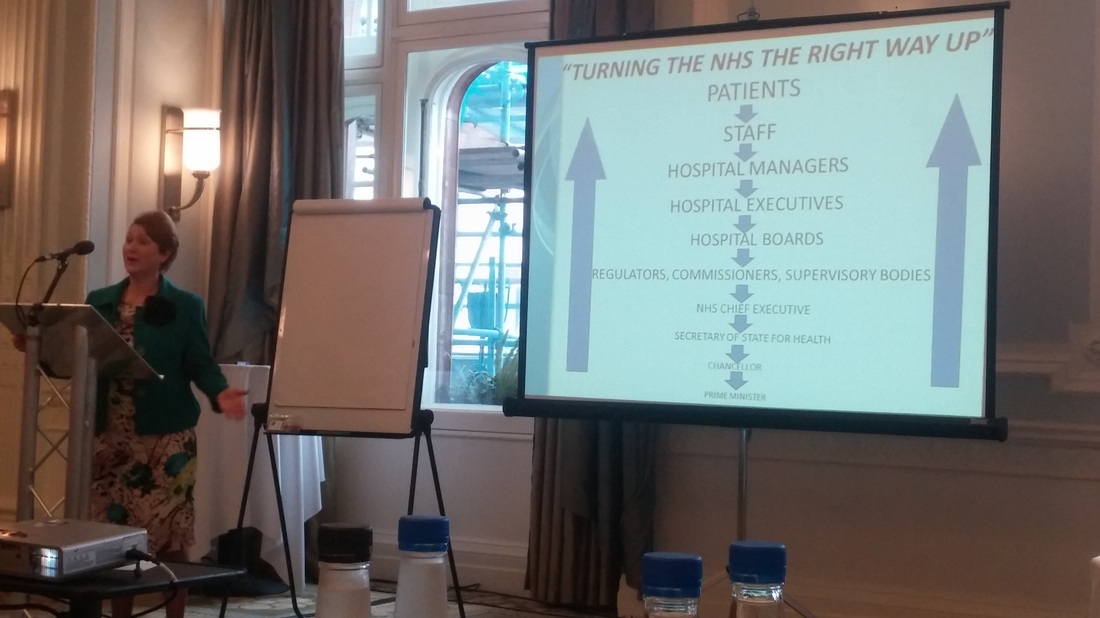
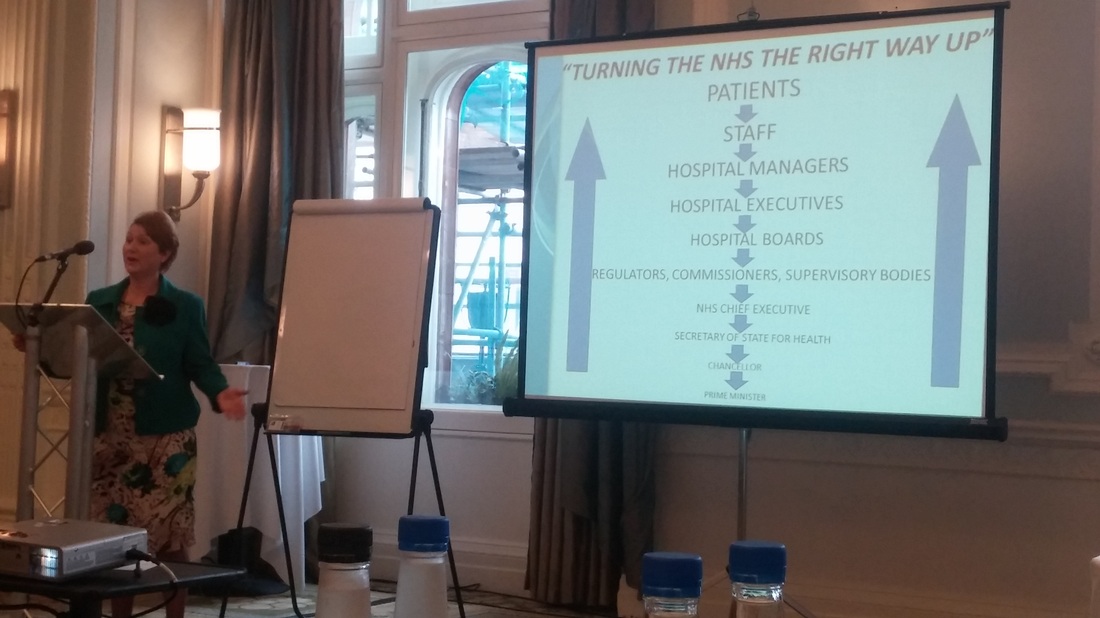
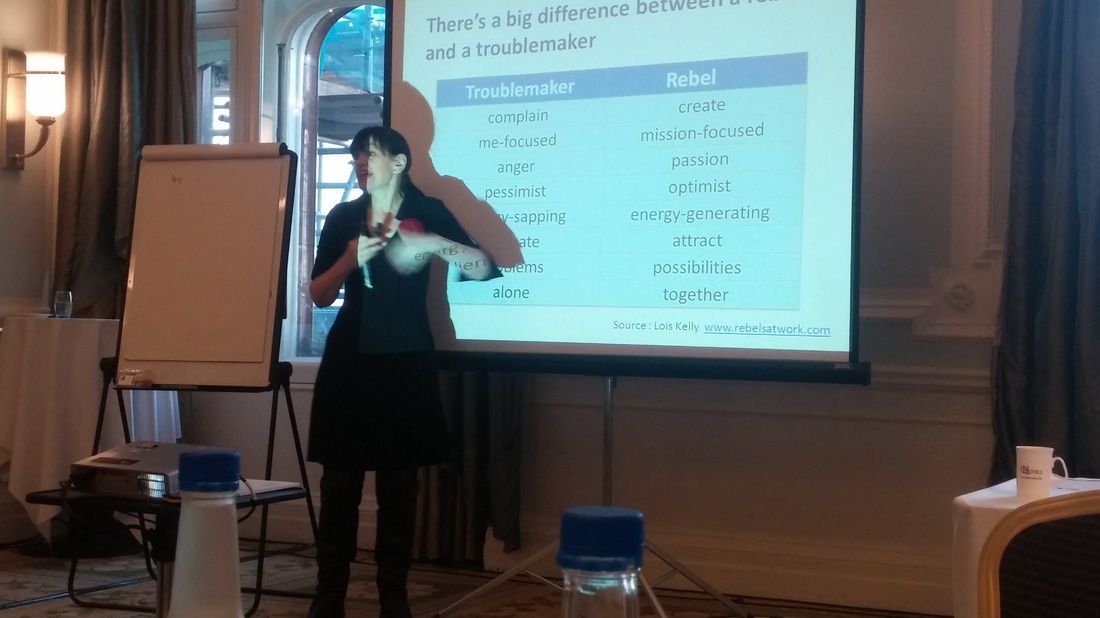
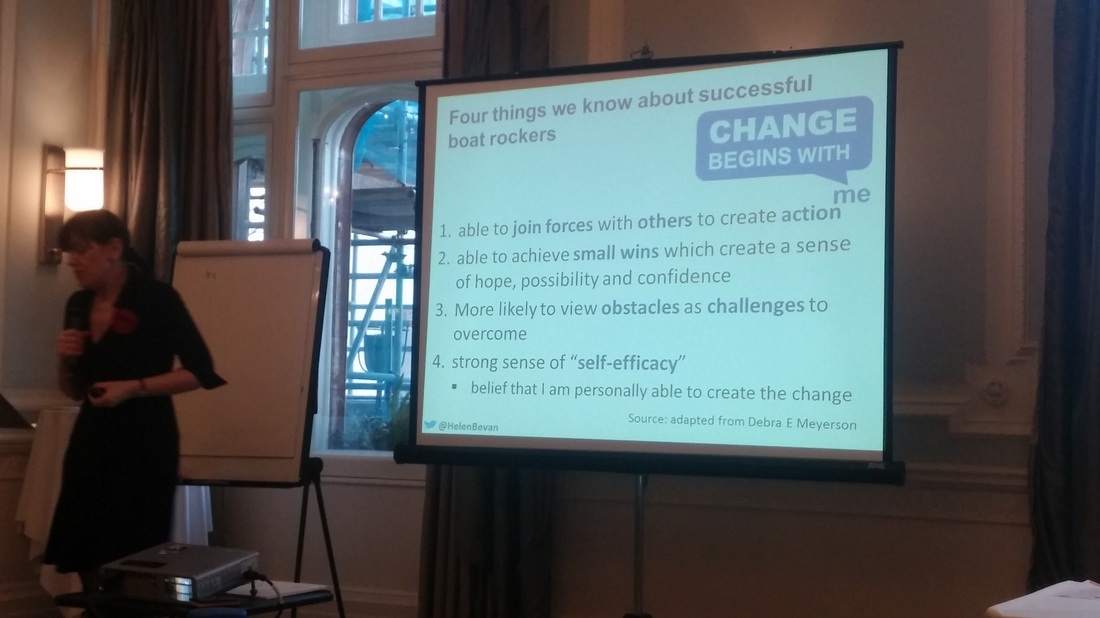
— Tista Chakravarty-Ga (@tcgannon) March 13, 2015 So after this rather heavy talk the afternoon moved on to ask ‘How can we as leaders help others to learn’ and ‘From this learning, how do we begin to change culture and improve?’ Reshma Thampy delivered a very interesting session looking at how we can help others to learn, discussing the different leadership styles that we may employ. I especially liked her quote ‘You can’t smell the jasmine in your own garden’; both a warning against what we can become if we are not careful, and an example of the uniquely privilege role we have as trainees, always getting to view (or smell) our environments with new eyes. However the highlight of the afternoon was the wonderful Helen Bevan answering many of the questions that earlier talks had raised. She started by repeating the warnings echoed throughout the day; beware the ‘tentacles of normalisation’ which drag you to conform. We are all exposed to the ‘culture’ of our workplaces, and the Status Quo is the default that we are comfortable with. As such, she championed the idea of becoming ‘rebels’. Not trouble-makers, an altogether different prospect in terms of outcome for the workplace, but it is the case that ‘New truths begin as heresies’ and you have to be an activist to drive positive change forward. As she so brilliantly put, you need to ‘rock the boat, but don’t fall out’.
Today a great balance of the cautionary and inspirational. Beware 'the tentacles of normalisation'. #edic2015
— Thomas Heaton (@tomheaton88) March 13, 2015 So to wrap up this summary I think I’d have to reiterate what a really great day this proved to be. As I mentioned at the start, management is not usually a term that gets us doctors excited and inspired, but I found this to be even better that the rather excellent evening sessions that the NWMLS have organised in the past. Myself and many others there (I think) left feeling more aware of our power in improve things than when we walked in. As Helen pointed out at the end we can spend a lot of time waiting for permission to make changes when a lot of the time we may be handicapped by our own internally generated sense of inadequate self-efficacy. If you weren’t there I hope you have chance to check out some of the links below and hopefully steal some of the energy that I took from the conference. And if you haven’t yet discovered it yet I would implore you to get down to one of the NWMLS events when they return next year. I know I’ll be there. Thanks for reading.
Tom Heaton
Tom Heaton

Check Out
Start Following
Top image courtesy of stockimages/freedigitalphotos.net
 RSS Feed
